Getting rid of a junk car in San Francisco, the legal way
A junk car in San Francisco can go three ways: sell it to the partner buyer, who makes offers on cars that do not run; sell it to a licensed California dismantler; or retire it through the state's Consumer Assistance Program, which only takes cars that still drive. Whichever you pick, the DMV expects a Notice of Transfer and Release of Liability from you within five calendar days of the sale. Below are the forms each route involves, when registration fees come back, and what happens to a dead car left on a city street.
Sources re-checked .
Short answer
Sell it to the partner buyer, which makes offers on cars that do not run; sell it to a licensed dismantler, which files the REG 42 and needs no smog certificate from you; or retire it through the state program if it still drives. In every case, file your release of liability with the DMV within five calendar days.
DMV procedures manual: junking a vehicle, dismantler; SFMTA: 72 hour maximum
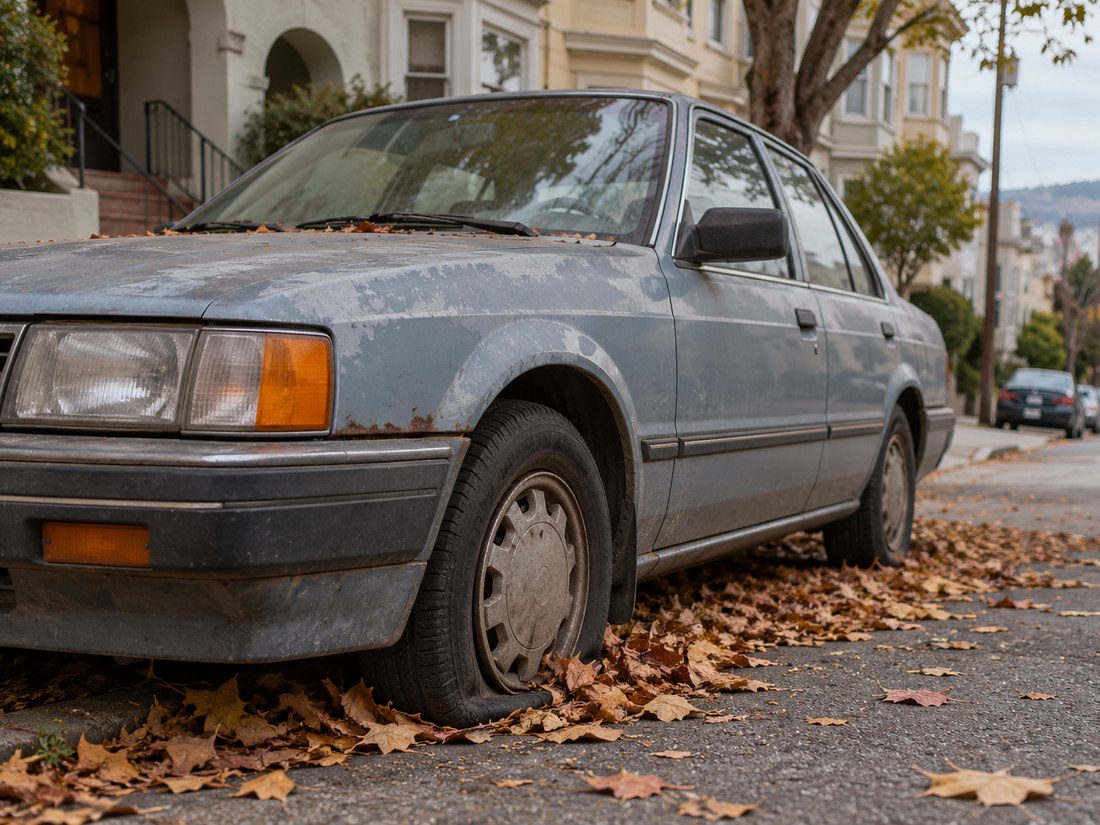
What turns a car into a junk car
In the DMV procedures manual's definitions, a junk vehicle is one that has been taken apart because it was wrecked, abandoned or would not run. Sellers use the word earlier: the repair costs more than the car is worth, it will not start, or it failed smog.
Pick the route by what the car can still do:
- It does not run, or you want one sale with a pickup included: the partner buyer, which says cars that do not run or are missing parts can still get an offer.
- You would rather deal with a parts yard: a licensed dismantler, which does its own reporting to the DMV.
- It still drives and you meet the rules: state retirement. The Bureau of Automotive Repair is plain about it: "To qualify, your vehicle must be drivable and you must meet eligibility requirements." As of October 2026 you may receive $1,350, or $1,500 or $2,000 if you meet the income requirements. The car retirement page sets out who qualifies.
Source: DMV procedures manual: definitions; Bureau of Automotive Repair: retire your vehicle; The buyer: selling and free pickup.
Route one: the partner buyer, running or not
The buyer's online offer is based on the car's condition and market data, and a car with a dead engine or missing parts can still receive one. If you accept, the buyer arranges the pickup at a time that suits you and covers its cost, so a car that will not start does not need a tow you pay for. When the truck arrives, the driver looks the car over against your description, fills in the buyer's title-transfer paperwork and hands you a check. Describe the car as it is, dents and missing parts included, because the online offer is the amount paid at pickup when the car matches what you described.
Your own California steps stay yours. File the release of liability once the car is gone; the release of liability guide walks through it. If the title is lost or carries a salvage brand, the buyer says that in many states such cars may still be eligible. For what California asks, see title problems for a lost title and salvage certificates for a branded one. The offer and pickup page has the full sequence.
Source: The buyer: selling and free pickup.
Route two: a licensed dismantler and the REG 42
California law treats a dismantler as a business that buys registered vehicles in order to take them apart, or that deals in used parts. When a licensed dismantler takes your car, the dismantler reports it to the DMV on the Report of Vehicle to be Dismantled (REG 42), along with the evidence of ownership and either the last-issued plates or a notice that the plates were destroyed. The manual adds: "Registration and/or transfer fees are not due from a licensed dismantler."
Three things follow for you. Hand over the title signed for transfer, since that is the dismantler's evidence of ownership. Leave the plates on the car: the dismantler must turn them in or report them destroyed. And you do not need a smog certificate for this sale: the manual states that "vehicles transferred for the purpose of being wrecked or dismantled (junk) are exempt from the smog inspection requirement." The exemption turns on the purpose of the transfer. For a buyer who might repair or resell the car, check the smog check guide instead. Either way, the five-day release of liability is still yours to file.
Source: DMV procedures manual: junking a vehicle, dismantler (19.025); DMV procedures manual: junking a vehicle, individual (19.030); DMV procedures manual: dismantler (2.030); DMV: Notice of Transfer and Release of Liability.
Taking it apart yourself: record it as junk first
You need no dismantler's license to take apart up to three of your own personal vehicles in any 12-month period. The order matters. Before the first part comes off, you apply to the DMV to record the vehicle as junk; an owner who dismantles first is charged an investigative service fee.
The application needs:
- the evidence of ownership, such as the California title properly endorsed, with bills of sale to fill any gap in the chain of owners
- the license plates assigned to the car
- all fees and use tax due
If the ownership papers cannot be found and the car is worth less than $5,000, the manual asks for any document that establishes your ownership plus a Statement of Facts (REG 256) naming whom you got the car from, its current value and that it is free of liens. At $5,000 or more, a motor vehicle bond is required. You must also remove and destroy any Clean Air Vehicle decals on the car.
Source: DMV procedures manual: junking a vehicle, individual (19.030); DMV procedures manual: dismantler (2.030).
Registration fees on a car you are junking
Renewal fees you already paid can come back in two cases the DMV lists: you paid them after the car was sold, or the car was wrecked, junked or stolen before the renewed registration period began. For a junked car, send the DMV:
- an Application for Refund (ADM 399), completed and signed
- a signed Notice of Transfer and Release of Liability (REG 138), or a copy of the confirmation page from the online release
- the registration card and the unused sticker, or a Statement of Facts (REG 256) explaining why you cannot return them
File the ADM 399 within three years of the payment. A car donated to a junkyard or a nonprofit earns no registration refund, the DMV says.
If the car is on Planned Non-Operation (PNO) status and you plan to drive it to a dismantler, the DMV describes a one-day Vehicle Moving Permit (REG 172) for a vehicle's permanent wrecking or dismantling, issued at a DMV office without paying renewal fees.
Source: DMV: payments and refunds; DMV: planned non-operation.
A dead car on a San Francisco street: the 72-hour rule
Where no other sign applies, SFMTA lets a passenger car or motorcycle sit in one spot for up to 72 hours. After that, an officer can put a Marking Notice on the windshield and mark a wheel. If the car has not moved by the date and time on the notice, it can be towed when the officer returns, and a notice that has gone missing does not stop the tow. Junk cars can go sooner. SFMTA says cars more than six months out of registration, or obviously disabled and inoperable, "may be cited and towed immediately, whether or not they have been issued a 72 Hour Marking Notice."
As of October 2026, SFMTA's fees for an individual's first tow come to $652 before any storage, a $335 administrative fee plus a $317 tow fee, and storage is then charged by the day. Selling the car before the officer comes back keeps those charges off your bill. Until then, SFMTA's Text Before Tow Program can text you when your car is at risk of being towed. If it has already been towed, the towed car guide has the full fee list, the waivers and the tow yard.
Source: SFMTA: how to avoid parking tickets (72 hour maximum); SFMTA: towed vehicles and fees.
Reporting someone else's abandoned car to 311
When the junk car on your block is not yours, San Francisco's 311 takes reports of a car, truck or motorcycle parked in one spot for more than 72 hours. The online form covers vehicles abandoned on public property and asks for the location and the plate number; a photo gets a faster response. You receive a tracking number to follow the case online or in the SF311 app, and the city lists a response time of 2 to 5 business days. You can also call 311, or 415-701-2311 from outside San Francisco.
SFMTA asks residents to wait about 72 hours before complaining about a stored car, though an officer may place a Marking Notice as soon as a complaint names it. A car blocking your driveway is a separate report.
Source: SF.gov: report an abandoned vehicle; SFMTA: how to avoid parking tickets (72 hour maximum); SFMTA: enforcement requests.
Two questions about junk cars in San Francisco
Do I need a smog certificate to junk my car?
Not when the car is transferred to be wrecked or dismantled. The DMV procedures manual exempts those transfers from the smog inspection requirement, which fits a sale to a licensed dismantler. A sale to a buyer who may repair or resell the car is a different case, so read the smog check guide before you sign.
Can I get my registration fees back after junking a car?
Yes, for renewal fees you paid if the car was junked before the renewed registration period began, or if you paid them after the car was sold. Send an ADM 399, your release of liability or its online confirmation, and the registration card with the unused sticker, as the DMV refunds page lists. A car donated to a junkyard gets no refund.
Decide where the junk car goes
If the car still drives, weigh the state's retirement payment on the car retirement page before you sell it for parts. If it does not, read how the partner buyer's offer works, or call (628) 333-6040 to talk it through with a person.
More on selling a car in San Francisco
- PaperworkWhich lines a San Francisco seller signs on the California title, when REG 227 replaces it, the 2026 odometer rule, and what the buyer pays.
- Release of liabilityHow a San Francisco seller files California's 5-day release of liability, online or on REG 138, and answers an SFMTA ticket or bridge toll after the sale.
- Smog checkWhen a San Francisco seller must hand over a California smog certificate, the exemptions by year and fuel, the 90-day validity, and help if the car fails.
- Title problemsHow to sell a car in San Francisco with a lost title, a loan, a late owner's estate, co-owners or a misspelled name, and the California DMV form for each.
- Any conditionSell a San Francisco car that won't start, lost its catalytic converter, was broken into or flooded: SFPD reports, BAR smog rules, free pickup.
- Car retirementWhat California's CAP pays San Francisco owners to retire a car that still drives, BAR's conditions, the Bay Area buy back, and how to weigh an offer.